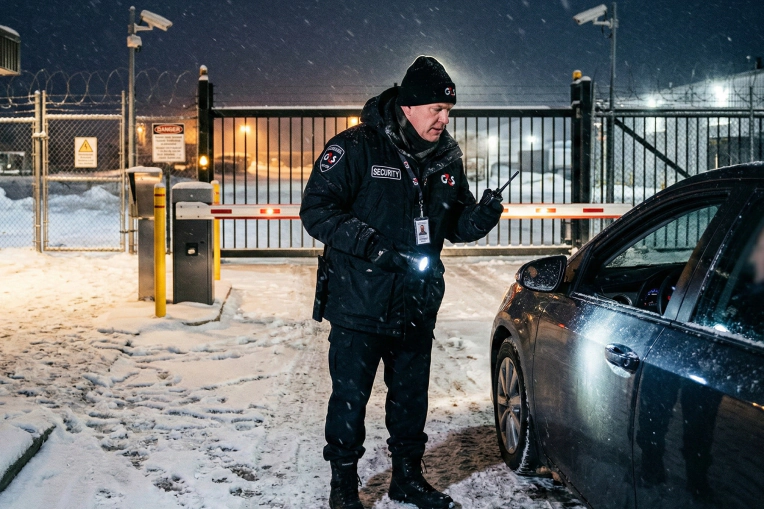
Why Cold Weather Creates Increased Risk Exposure
Texas winters bring unpredictable temperature swings that directly impact property safety protocols. When cold fronts push through the region, shorter daylight hours extend periods of darkness when criminal activity statistically increases. Properties become more vulnerable during these extended evening hours, particularly in suburban areas where street lighting may be inconsistent.
The holiday season coinciding with colder months creates additional complications. Increased package deliveries sit unattended on doorsteps, advertising empty homes to opportunistic individuals. Meanwhile, seasonal decorations and lighting patterns inadvertently signal occupancy schedules, providing valuable intelligence to those surveying neighborhoods for targets.
Freeze events, while less frequent than in northern states, disrupt normal routines when they occur in Texas. Burst pipes, power outages, and transportation challenges force residents to leave properties unattended for extended periods during repairs or temporary relocations. These disruptions create windows of opportunity that require proactive planning to address effectively.
How Weather Conditions Affect Access Control Systems
Electronic access systems face reliability challenges during temperature fluctuations common in Texas winter patterns. Gate motors and keypad systems designed for moderate climates sometimes struggle when temperatures drop unexpectedly overnight. Moisture from condensation can affect electronic components, causing intermittent failures that compromise entry point monitoring.
Landscaping changes during dormant seasons also impact perimeter visibility. Deciduous trees lose leaves, which initially improves sight lines but creates ground cover that muffles footsteps and provides concealment near property boundaries. Dead vegetation and seasonal debris accumulate along fence lines, creating visual clutter that obscures movement and reduces the effectiveness of surveillance systems.
Wind patterns shift during winter months across the region, affecting motion sensor accuracy. Cold fronts bring gusty conditions that trigger false alarms on improperly calibrated systems, leading to alarm fatigue where genuine threats get dismissed among numerous false positives. Balancing sensitivity settings becomes critical during this season to maintain both responsiveness and reliability.
Parking areas and approach paths accumulate leaves and debris that obscure painted lines and designated walkways. This degradation of visible boundaries encourages unauthorized parking patterns and creates confusion about permitted access routes. Regular maintenance becomes more challenging during wet winter periods when outdoor work windows narrow considerably.
Strategic Illumination for Extended Darkness Periods
Earlier sunsets during winter months extend the period when artificial lighting determines visibility around properties. Texas experiences sunset times shifting from around 5:30 PM in December to after 8:00 PM in summer, meaning winter business hours operate substantially more in darkness. This extended lighting requirement increases both energy consumption and the importance of backup power systems.
Fog and mist occur more frequently during cooler months when temperature inversions trap moisture near ground level. These conditions scatter light from conventional fixtures, creating glare that actually reduces effective visibility rather than improving it. Modern LED systems with directed beam patterns perform better in these conditions, but older installations may need evaluation and potential upgrades.
Seasonal decorative lighting, while festive, often interferes with security illumination by creating competing light sources that draw attention away from critical monitoring zones. The colorful, flashing patterns disrupt night vision adaptation and make it harder for both human guards and surveillance cameras to detect movement in transitional areas between bright and dark zones.
Timer systems programmed for standard schedules may not account for the dramatic seasonal shift in daylight hours. Lights activating too late or deactivating too early create predictable gaps in coverage. Smart systems that adjust based on actual sunset times rather than fixed schedules provide more consistent protection throughout seasonal transitions.
Adapting Human Presence for Cold Season Conditions
Guard effectiveness diminishes when cold weather forces personnel to seek shelter more frequently or reduce patrol durations. While Texas winters remain mild compared to northern regions, overnight temperatures regularly drop into the 30s and 40s, requiring appropriate gear and adjusted patrol patterns to maintain consistent coverage without compromising officer wellbeing.
Vehicle patrols increase during colder months as walking rounds become less comfortable, but this shift changes the nature of surveillance. Officers in vehicles cover more ground but miss subtle indicators visible only on foot, such as tampered locks, disturbed ground cover, or unusual odors that might indicate unauthorized access or concealed intrusions.
Holiday scheduling creates staffing challenges when experienced personnel take vacation time during the same narrow window. Properties may rely more heavily on newer team members during this critical period when theft and vandalism statistically increase. Advanced planning and staggered scheduling help maintain experienced coverage throughout the season.
For property managers seeking reliable protection during these challenging months, professional security services provide trained personnel equipped to handle seasonal variables. Teams familiar with regional weather patterns understand how Texas cold snaps affect both criminal behavior and security system performance, allowing them to anticipate and address vulnerabilities before they become incidents. This specialized knowledge, combined with consistent professional presence, creates the foundation for effective year-round property protection that adapts to seasonal demands rather than simply maintaining static procedures.
Ensuring Equipment Reliability During Temperature Variations
Camera systems require winterization attention even in moderate climates like Texas. Condensation inside protective housings creates fog on lenses that obscures critical views during the coldest morning hours when break-ins often occur. Heated housings or desiccant packs prevent this moisture accumulation, ensuring consistent image quality regardless of overnight temperature drops.
Battery performance in wireless systems degrades significantly in cold temperatures, reducing backup power duration during outages. Systems that provide eight hours of backup operation in summer conditions may deliver only four or five hours when temperatures drop below freezing. Testing backup systems under actual winter conditions rather than assuming rated capacity helps identify vulnerabilities before emergency situations arise.
Software updates and system maintenance become more critical during winter months when system reliability faces greater stress. Regular testing of all components, including often-overlooked elements like door contacts and window sensors, ensures that protective barriers function as intended. Cold weather reveals weaknesses in installations that performed adequately during milder seasons.
Integration between different security layers takes on added importance when individual components face reliability challenges. Redundant systems covering critical zones ensure that temporary failure of one element does not create complete coverage gaps. This layered approach, combining technology with human oversight, provides resilience against both equipment limitations and environmental challenges that characterize winter conditions in the region.